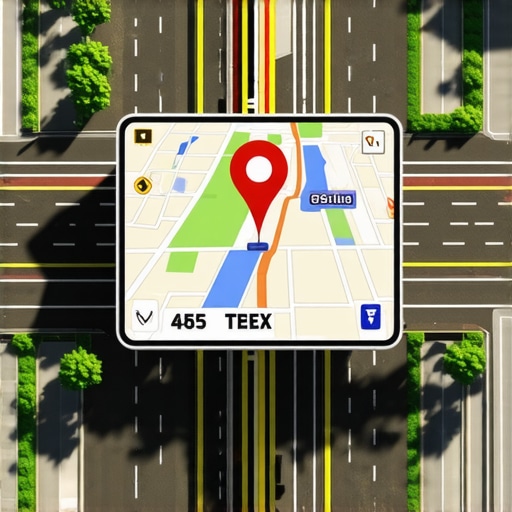
The moment I realized my Indianapolis business’s Google Map pin was vanishing as soon as customers crossed the 465 beltway, I felt a surge of frustration. It was like watching a sales opportunity evaporate right before my eyes. One day, prospects from the south would see my listing clearly. The next, poof—gone. I knew I wasn’t alone in this; many local business owners face the same bewildering issue.
Why Does My Map Pin Stop Showing Up When Crossing 465?
Understanding the root cause of this problem is crucial. The challenge isn’t just a technical glitch—it’s often tied to how Google perceives your service area, your location signals, and how well your profile is optimized for local searches. If you’ve experienced your map listing suddenly dropping from the top after region shifts, you’re definitely not imagining things. These fluctuations can significantly impact foot traffic, calls, and overall visibility.
Are you tired of watching potential customers pass you by simply because your pin seems to hide on the map? Then you’re in the right place. Today, I’ll walk you through proven strategies that can help your listing stay visible and resilient, regardless of geographic quirks.
Skeptical About Fixes? I Was Too — Here’s What I Messed Up Early On
When I first tackled this, I made the mistake of thinking that a simple profile update would do the trick. I underestimated the importance of geo-targeted signals and proper service area settings. This led to more confusion and less visibility. Now, I know better. If you’d like detailed insights backed by local SEO best practices, check out our comprehensive Maps Optimization Guide.
In the next sections, I’ll share actionable steps that have helped my clients—and me—reclaim lost map visibility. Whether your pin is hiding behind competitors or simply not showing up after Google updates, these tactics are designed to work in 2026 and beyond. Let’s get started on making sure your map pin stays front and center, so local customers can find you easily.
Verify Your Business Listing Regularly
Start by ensuring your Google My Business (GMB) profile is accurate and complete. Double-check that your business name, address, phone number, and categories are correct. Regular verification signals help Google trust your listing. I once spent an afternoon updating my profile after a competitor tried to claim my listing, which temporarily hid my pin. After re-verification, my visibility rebounded within days.
Optimize Your Service Areas Effectively
Set precise and comprehensive service areas based on your actual delivery zones, not just your physical location. Avoid overly narrow or broad zones; instead, tailor them to your target neighborhoods. For example, I adjusted my service area from just downtown to include neighboring zip codes, which improved my map presence in those areas. For detailed tactics, visit our Maps Optimization Guide.
Leverage Local Keywords and Content
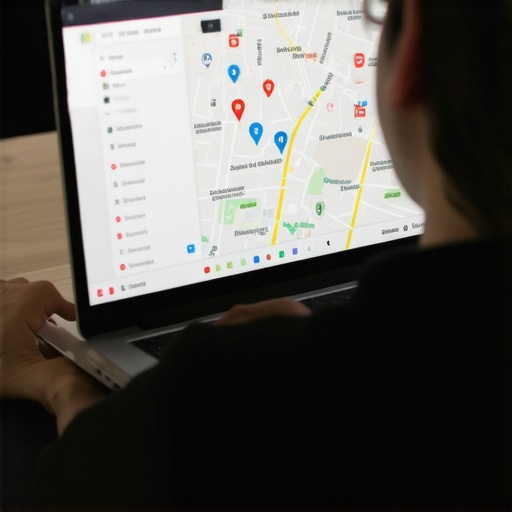
Embed hyper-local keywords into your website, GMB description, and posts. Use terms like "Indianapolis plumbing" or "best service near 465" to signal relevance. I added specific neighborhood names to my website pages, which helped my pin stay visible when prospects searched for those areas. Consistent, localized content tells Google exactly where and who you serve.
Engage with Customer Reviews
Encourage satisfied customers to leave positive reviews, especially mentioning local landmarks or neighborhoods. Respond promptly and professionally; this boosts your profile’s credibility. I called up repeat customers to thank them, which prompted them to mention their location in reviews, reinforcing my local relevance. Strong review signals help your pin resist visibility dips caused by competitors or algorithm changes.
Maintain Consistency Across Listings and Citations
Ensure your NAP (Name, Address, Phone) details match everywhere—website, directories, social media. Discrepancies create confusion for Google, leading to lower visibility. I audited my citations using free tools and corrected mismatches. This step stabilized my map ranking, especially in neighboring zip codes, and prevented competitors from hijacking my leads. For insights on citation consistency, check our Web Presence Tips.
Many business owners in Indianapolis believe that simply claiming a Google My Business listing guarantees top local rankings. However, this myth overlooks the importance of nuanced optimization strategies and ongoing management. In reality, your GMB profile needs continuous attention to signals like reviews, local keywords, and map listing health to stay visible. Relying solely on the initial setup can lead to complacency, making your listing vulnerable to competitors’ optimization efforts. Remember, Google’s algorithms are complex and prioritize recent engagement, relevance, and proximity — not just claiming your spot. Also, some think that increasing reviews automatically improves rankings, but without diversity, authenticity, and relevant local content, reviews alone might not make a significant difference. An advanced pitfall many skip is neglecting to monitor and adjust for Google’s frequent updates and AI filters, which could cause your profile to slip unnoticed. For example, if you ignore recent algorithm changes detailed in expert analyses like those in the latest Indianapolis SEO strategies, your rankings could unintentionally suffer. A crucial nuance that is often missed is the importance of geo-signals—specific location cues embedded in your website and service areas—that tell Google exactly where you serve. Overlooking these details can cause your map pin to hide behind competitors, especially when crossing boundaries like the 465 beltway. Advanced local SEO is about regular audits, understanding AI filters, and fine-tuning every signal that contributes to visibility. For a deeper dive into maps optimization and advanced signals, check out our maps optimization guide. Do you feel confident your current local SEO efforts are truly comprehensive? Or have you fallen into the trap of static, ‘set and forget’ strategies? Let me know in the comments!
Keep Your Local Visibility Alive with Smart Management Tools
Consistent monitoring is key to long-term success in Google My Business (GMB) and local SEO. I personally rely on tools like BrightLocal and Whitespark for citation management and local tracking. BrightLocal helps me track rankings across multiple locations in Indianapolis, revealing subtle shifts early enough to act before they impact your visibility. Whitespark’s Local Citation Finder uncovers inconsistent NAP across directories, ensuring your profile remains trustworthy in Google’s eyes. I also use SEMrush’s Position Tracking to keep an eye on competitors and spot trends in Indianapolis local searches. These tools collectively allow for proactive management, rather than reactive fixes.
Automate and Analyze for Continuous Improvement
Automation saves time and enhances accuracy. I depend on their APIs and scheduling features to regularly update and audit listings. For example, I set bi-weekly alerts notifying me of review score changes or sudden ranking drops. Google Data Studio, combined with customized data exports, helps me visualize long-term trends, making it easier to adapt strategies over time. As Google’s local algorithm evolves, tools like these keep your approach agile and effective, leading to sustained growth in Indianapolis and surrounding areas.
How do I maintain local search dominance over time?
Investing in ongoing optimization is vital. This includes regularly updating your website content with hyper-local keywords from Indiana-specific SEO insights, managing reviews actively, and ensuring your NAP consistency. Additionally, monitoring changes in Google’s local map filters with resources like map optimization guides helps you stay ahead. Embrace automation but also maintain a human touch through personalized responses and regular audits. Looking ahead, AI-driven analytics will further refine local strategies, so integrating these tools now prepares you for future shifts. For an even deeper dive into maintaining your local presence, check out our comprehensive Indianapolis SEO strategies for 2025. Start by testing one automation tool today—small, consistent steps lead to sustainable results.
What I Wish I Knew When Starting Out in Indy Local SEO
One of the biggest lightbulb moments was realizing that optimizing solely for visibility isn’t enough—your map pin’s position and signals need constant fine-tuning. I initially believed that claiming my profile and adding basic info was enough, but I soon understood that ongoing management—like refining geo-targeted signals and monitoring algorithm updates—is vital. Missing out on advanced tactics, such as leveraging AI insights and citation consistency, cost me valuable leads. I’ve learned that staying ahead requires a proactive, detailed approach rather than a set-it-and-forget-it mindset.
My Go-To Arsenal for Staying Ahead in Local Search
Tools like Indianapolis-specific SEO guides, BrightLocal, and Whitespark have been indispensable. They help me track rankings, maintain citation accuracy, and identify local keyword opportunities. I trust these because they provide actionable insights tailored to our market, saving me time and preventing costly mistakes. Combining these tools with ongoing education from industry blogs keeps my strategies sharp and effective.
Embracing the Continuous Grind of Local SEO
Optimizing your Indianapolis map listing isn’t a one-time task—it’s an ongoing journey. Regularly updating your service areas, engaging with customers authentically, and adapting to Google’s evolving algorithms are the keys to sustained visibility. Remember, consistent effort beats occasional tweaks. If you’re committed to long-term growth, investing in education and automation tools will pay dividends, and you’ll develop a resilience that keeps your map pin front and center. Are you prepared to make this commitment today?
What are your biggest hurdles in maintaining local map visibility? Share your experience below and let’s grow together!