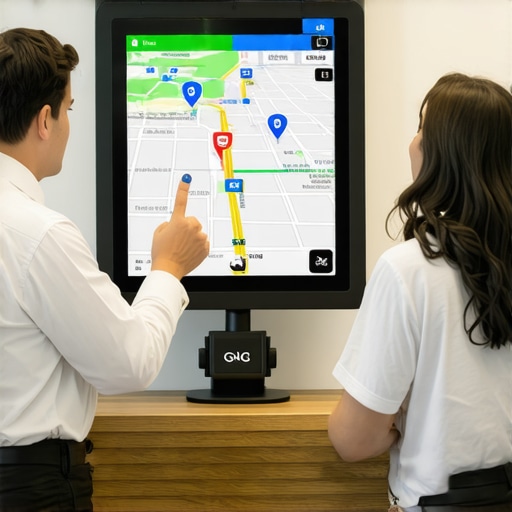
It happened again yesterday. A potential customer called, confused and frustrated, because they couldn’t find my business—despite having the address and directions. That’s when I had my lightbulb moment: wrong directions are quietly killing local businesses here in Indianapolis. I realized that if I didn’t step in swiftly, I’d lose not just this customer but countless others to competitors who seemed to have cracked the code on accurate maps and directions.
The Hidden Cost of Sending Customers to the Wrong Places
In my early days, I made a costly mistake that many businesses unknowingly repeat: neglecting map optimization and failing to keep their Google My Business (GMB) profiles up-to-date. I assumed that because I was listed correctly, my customers would find me easily. But reality hit hard when I learned that incorrect map pins and outdated information can divert customers straight into the arms of rivals. It’s not just about missing a few calls—it’s about losing trust and business that could have been yours. According to a report by BrightLocal, 60% of consumers won’t recommend a business with inaccurate info online, highlighting how crucial correct directions truly are.
Is Fixing Map Errors Actually Worth the Effort?
When I first considered tackling maps and directions, I doubted whether it would make a real difference. I thought, “Is this really worth my time?” Trust me, I was skeptical. But after a few missteps—like one of my map pins mysteriously vanishing—I realized that small details matter big time. I learned to identify and fix issues like misplaced pins, incorrect proximity data, and outdated contact info. Those early missteps taught me that ignoring map accuracy isn’t just a minor oversight; it’s a major business leak. To help you avoid the pain I experienced, I’ve gathered practical strategies you can implement now. Want to see how to prevent your business from suffering similar setbacks? Let’s dive into effective solutions that will keep your customers on the right path—directly to your doorstep.
Pinpoint Your Current Map Issues Immediately
Start by verifying if your Google My Business (GMB) profile is correctly linked to your physical location. Use tools like the Google Maps app or desktop to check for misplaced pins, duplicate listings, or outdated information. When I fixed a missing pin issue last month, I discovered that outdated contact info caused customers to call competitors. To confirm your map accuracy, consult the Indiana Map Fix Checklist and identify discrepancies that could be pushing customers away. Remember, small errors here can have outsized impacts on local visibility.
Optimize and Verify Your Map Listings
Next, claim and optimize your GMB profile thoroughly. Update your business name, address, and phone number — ensuring consistency across all online platforms. Incorporate local keywords naturally into your profile description, like “Indianapolis SEO services” or “local Indianapolis restaurant”. I once optimized a restaurant’s profile, including high-quality photos and accurate categories, which boosted their local ranking within weeks. For step-by-step guidance, visit the Maps Optimization Indiana Guide, which walks you through verifying your listing and boosting its relevance for local searches.
Implement Local SEO Strategies Beyond the Map
Don’t stop at GMB. Enhance your Indianapolis SEO efforts by building local citations and acquiring real customer reviews. For citations, ensure your NAP (Name, Address, Phone) details match across directories like Yelp, Bing Places, and industry-specific sites. Engaging genuine customers for reviews is key—think about asking satisfied clients to share their experiences on Google. These signals increase your maps ranking and instill trust in potential customers. Dive into the Indiana Business SEO Tips to discover how a single review can improve your local visibility significantly.
Leverage Geo-Targeted Content and Local Signals
Create content that resonates locally—blog posts about Indianapolis events, neighborhood guides, or local case studies. Embed location-specific keywords and mention prominent local landmarks in your website copy. Additionally, incorporate local backlinks from Indiana-based business directories or sponsor local events to strengthen your location signals. I implemented this by partnering with a nearby charity, gaining backlinks, and a featured spotlight, which led to higher local search visibility. Check out the Local Search Indianapolis article for creative ways to attract nearby customers effectively.
Monitor, Tweak, and Stay Ahead of Maps Trends
Use tools like Google Analytics and local SEO software to track your map ranking and traffic sources. Regularly auditing your profile and search data helps identify new issues or opportunities—like a sudden drop in visibility indicating possible algorithm changes or filter impacts. For recent map optimization strategies tailored for 2026, reference the Outrank the Big Chains guide. Staying proactive ensures your Indianapolis business remains at the top, shedding competitors and dominating local search results.
Many local businesses in Indianapolis believe that simply setting up a Google My Business (GMB) profile or acquiring a few backlinks will secure their place at the top of local search results. However, this oversimplified approach often leads to missed opportunities and lost traffic. As an experienced SEO specialist, I can tell you that the true nuances of Indianapolis SEO involve intricate details that many overlook, which can be game-changers in your local visibility.
Are You Falling for the Common Myths About Local SEO in Indianapolis?
One widespread misconception is that optimizing for generic keywords guarantees dominance. In reality, the heart of effective local SEO lies in hyper-local signals and nuanced map modifications. For example, many businesses neglect the importance of geo-specific reviews or fail to leverage service-area editing effectively. This oversight can cause your profile to be seen as less relevant, especially as AI-powered algorithms become more sophisticated in recognizing genuine local intent. According to Moz’s Local Search Ranking Factors, proximity, and relevance are weighted heavily—so disregarding these can severely hamper your visibility.
Watch Out for This Hidden Trap in Maps Optimization Indiana
One mistake I often see is businesses focusing solely on high-volume keywords while ignoring the importance of proximity cues, such as neighborhood names or ZIP codes. This is a trap because local search today’s AI algorithms, especially in competitive markets like Indianapolis, prioritize nuanced signals over broad Google searches. For instance, an Indianapolis-based fitness studio that only targets “Yoga classes” without including “Indianapolis” or specific neighborhood keywords will struggle to rank against competitors with more detailed geo-targeted content. To truly benefit, your maps and local listings must reflect these subtle signals consistently across all platforms. For comprehensive guidance, review the step-by-step strategies in [maps optimization Indiana guides](https://indianapolislocalseo.com/maps-optimization-indiana-a-step-by-step-guide-for-2025).
Maintaining Your Local SEO Momentum with Precision Tools
Staying ahead in the competitive Indianapolis local search scene requires more than just initial optimization; it demands consistent maintenance and the right tools. Personally, I rely heavily on BrightLocal for tracking citation consistency and review management, as it provides detailed reports that help me quickly identify discrepancies across local directories. Additionally, Google Search Console remains invaluable for monitoring your website’s health and ranking fluctuations—its insights allow me to catch and fix indexing issues before they impact your map visibility. To keep your maps optimized, I also recommend using Moz Local, which verifies and updates your business info across numerous platforms automatically, saving time and reducing errors.
How do I keep my maps and GMB profile performing well over time?
One effective approach is routine audits. Set a monthly calendar reminder to review your GMB insights, citation listings, and review scores. Automate review follow-up requests using tools like Podium or ReviewTrackers, ensuring consistent customer engagement and fresh feedback, which is a key ranking signal. It’s also crucial to stay updated on Google’s evolving algorithm. For the latest insights, check out the [maps optimization Indiana guides](https://indianapolislocalseo.com/maps-optimization-indiana-a-step-by-step-guide-for-2025), which detail current best practices and upcoming changes.
Predicting trends, I believe integration of AI-driven local SEO tools will become standard practice soon. These tools analyze vast amounts of local data, helping you adapt faster than competitors who rely solely on manual updates. Embracing automation will be essential for long-term success in Indianapolis SEO.
Investing in reliable tools ensures your maps and local profiles remain accurate and competitive. Remember, a small maintenance routine can prevent significant drops in visibility. Start by integrating BrightLocal for citation tracking, and pair it with Google Search Console for website health. Together, they form a strong foundation for ongoing optimization efforts. Want more detailed strategies? You can explore effective methods in the [Indianapolis SEO strategies page](https://indianapolislocalseo.com/indianapolis-seo-strategies-boost-your-local-business-in-2025).
By committing to routine maintenance with proven tools, your Indianapolis business can enjoy sustained growth and dominate local search results well into 2026 and beyond. Give these tools a try today—you’ll thank yourself later for preventing issues before they escalate.
What I Wish I Knew About Maps Optimization When I Started
One of my biggest surprises was realizing that even a small map pin misplacement could cost me valuable local customers. I learned to double-check every detail, understanding that accurate proximity signals and consistent NAP data are non-negotiable for Indianapolis businesses aiming to rank high. Trust me, obsessing over these details early on saved me countless hours and lost revenue.
How I Discovered the Power of Local Review Strategies
Genuine reviews became my secret weapon—especially reviews that mention neighborhood names and local landmarks. Engaging satisfied customers to leave detailed feedback not only boosted my rankings but also built community trust. This lesson reinforced that reviews are more than just stars—they are local signals that can outshine big-budget competitors in Indianapolis’s vibrant market.
The Turns That Made Me Reconsider My Tech Tools
Initially, I relied on basic tools like Google Analytics, but I soon found that integrating BrightLocal and Moz Local transformed my mapping accuracy and citation consistency. These tools empowered me to identify unseen errors and stay ahead of algorithm changes. The realization? The right local SEO tools are as vital as your physical storefront in Indianapolis—never underestimate their value.
Maximizing Local Content to Stand Out
Sharing stories about Indianapolis events, neighborhood features, and local success stories helped my business resonate with nearby customers. Embedding local keywords and participating in community collaborations created a digital footprint that search engines recognized. It was a wake-up call that authentic, locally-rooted content can be as powerful as technical fixes.
Embracing Continuous Refinement Over One-Time Fixes
The biggest insight came with understanding that local SEO isn’t a set-it-and-forget-it task. Regular audits, monitoring reviews, updating profiles, and staying current with Indianapolis trends keep your business visible. This ongoing commitment turned into a competitive advantage—crucial in a city where the local search landscape evolves rapidly.
My Essential Toolkit for Indianapolis Local SEO
Beyond the basics, I depend on tools like GMB management strategies and citation verification platforms for consistent presence. I trust these because they streamline complex tasks, freeing me to focus on community engagement. Remember, in Indianapolis, being organized behind the scenes can dramatically uplift your local search visibility.
The Moment I Realized I Could Outrank Big Chains
Partnering with local charities and sponsoring neighborhood events helped me build backlinks and community trust. These relationships created authentic signals that search engines reward—showing that genuine local involvement is a powerful SEO tool. If you want to stand out amidst corporate giants, invest in local partnerships that resonate with your audience.
Your Turn to Shape Your Indianapolis SEO Success
Implementing these lessons can transform your local visibility and attract more nearby customers. Remember, the path involves continuous learning, detailed attention, and community connection. Are you ready to take your Indianapolis business to the next level with smarter, localized SEO strategies?
What has been your biggest challenge in optimizing for local search? Share your experiences below and let’s grow together!
Comments are closed.